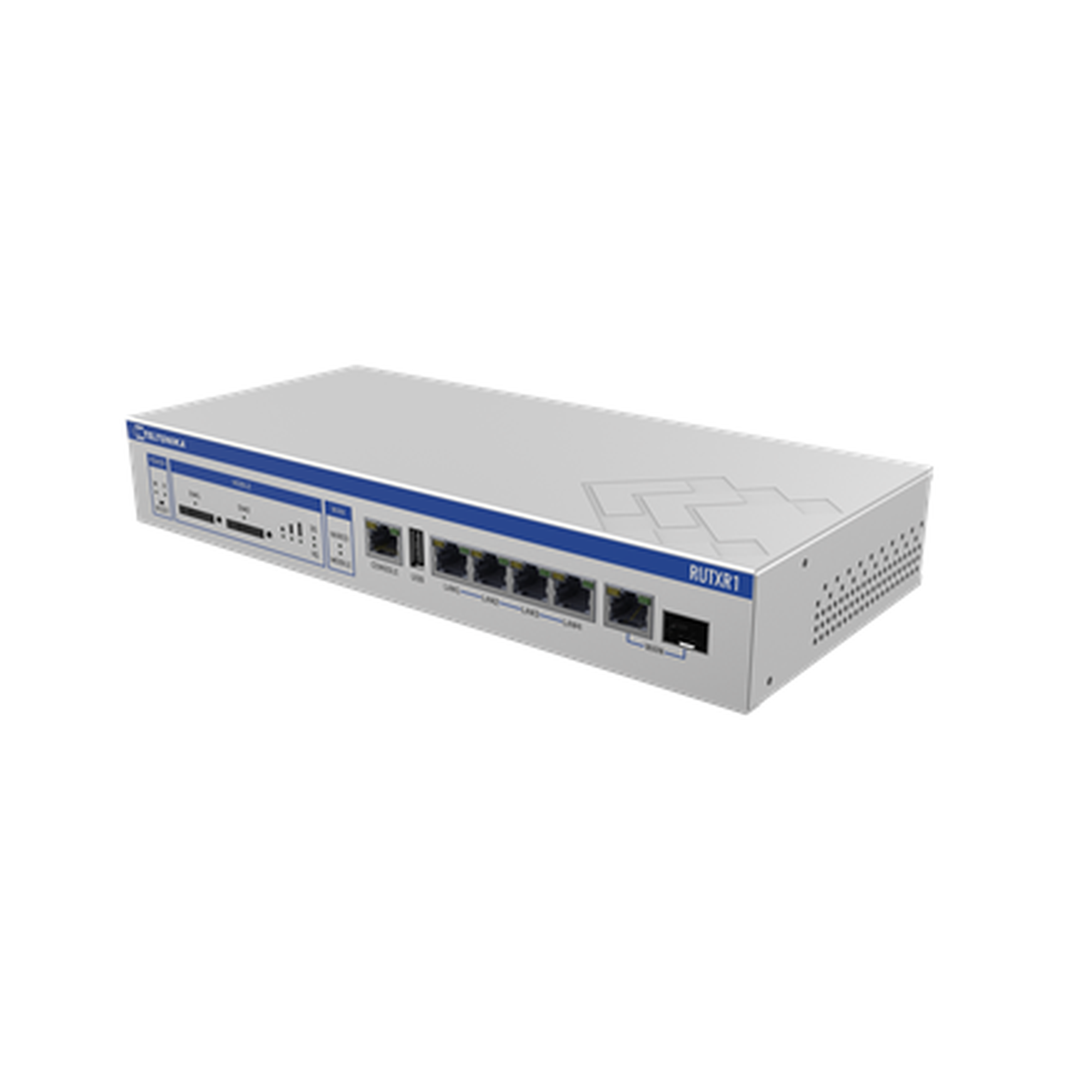
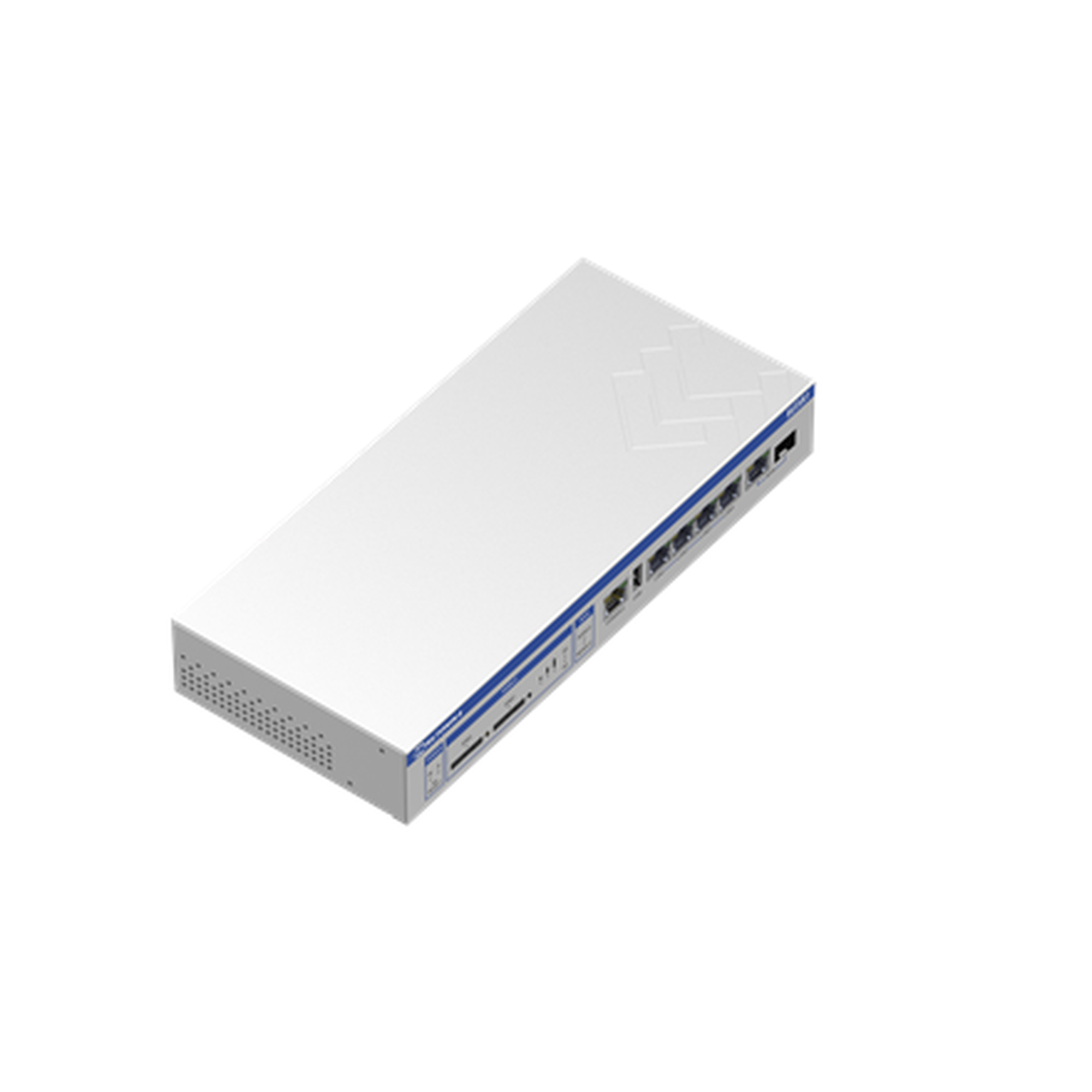
Teltonika RUTXR1Router Teltonika RUTXR1 - Router Dual-SIM 4G / LTE Cat6, Wi-Fi DualBand, 4x Gigabit LAN, 1x Gigabit WAN, 1x SFP, 1x USB, 1x console port RJ45 RS-232, 2x power supply, suitable for mounting in a rack Rack 19 ", RMS
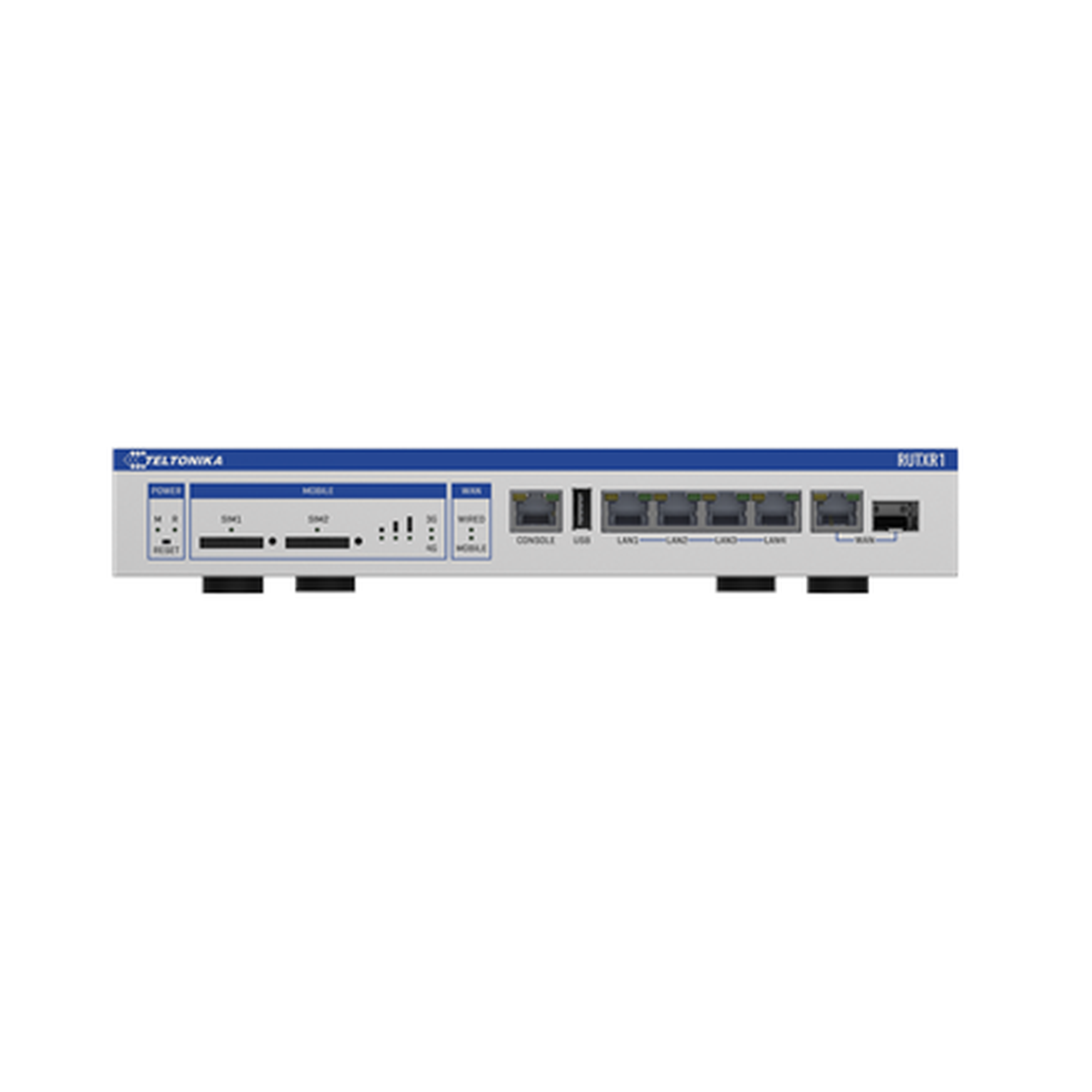
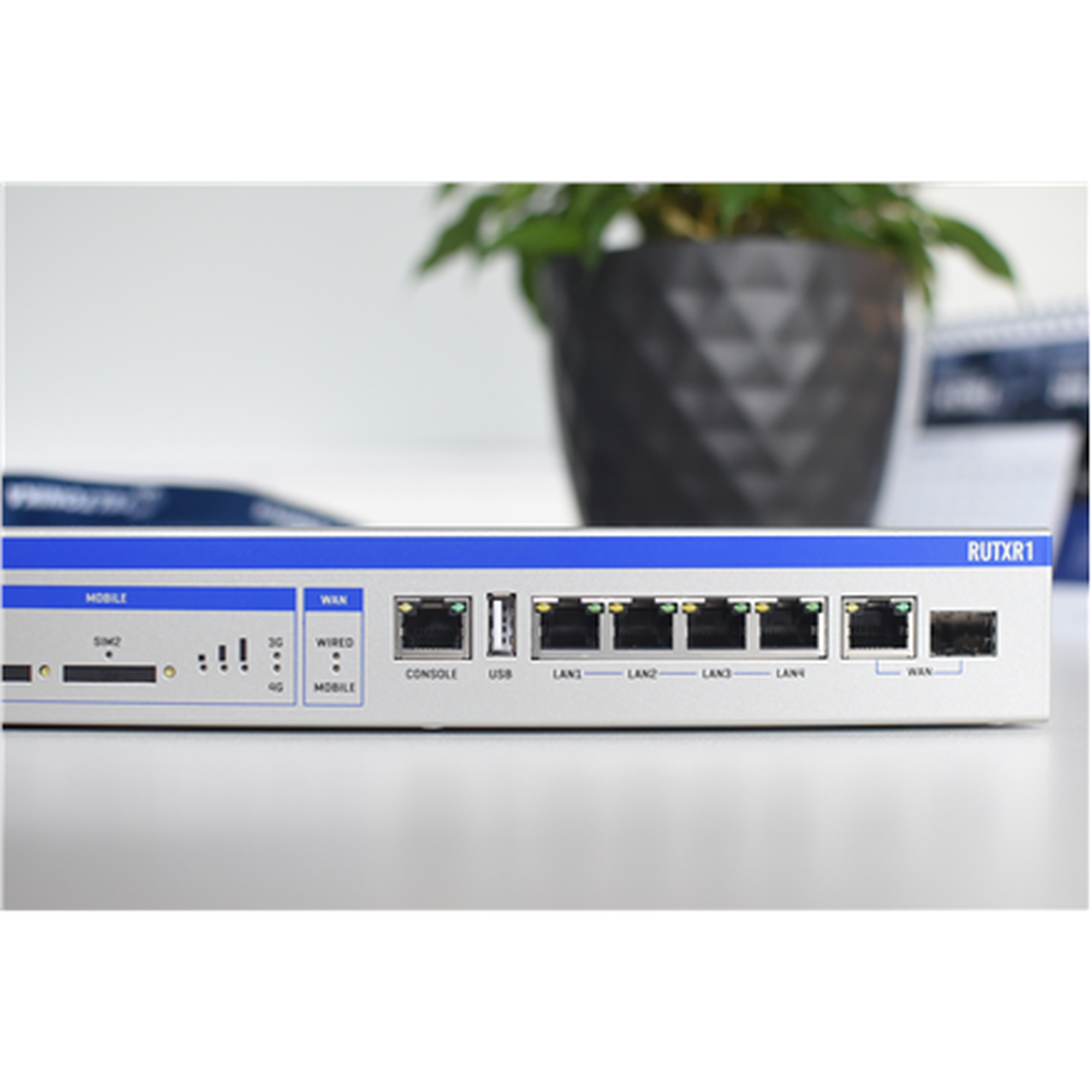
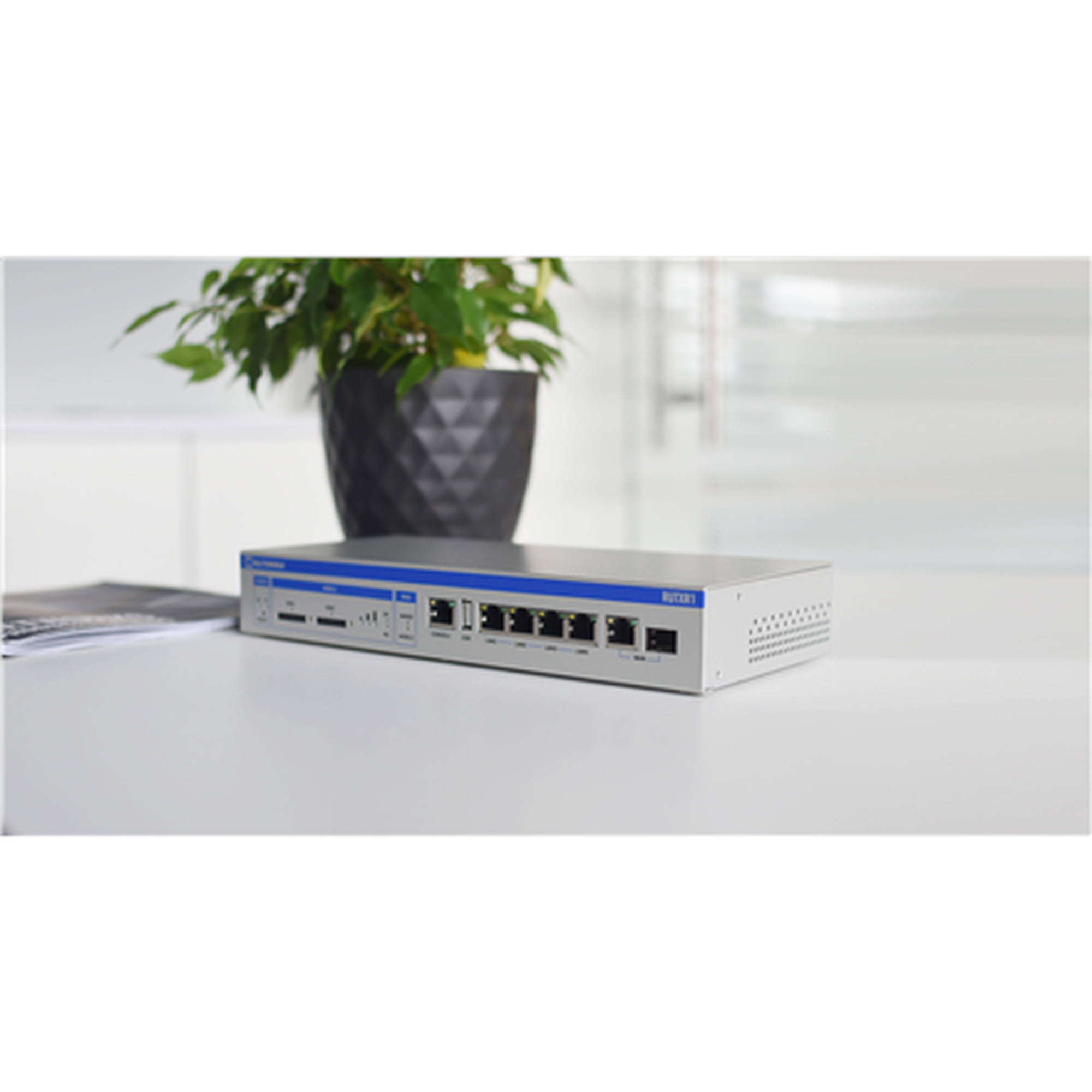
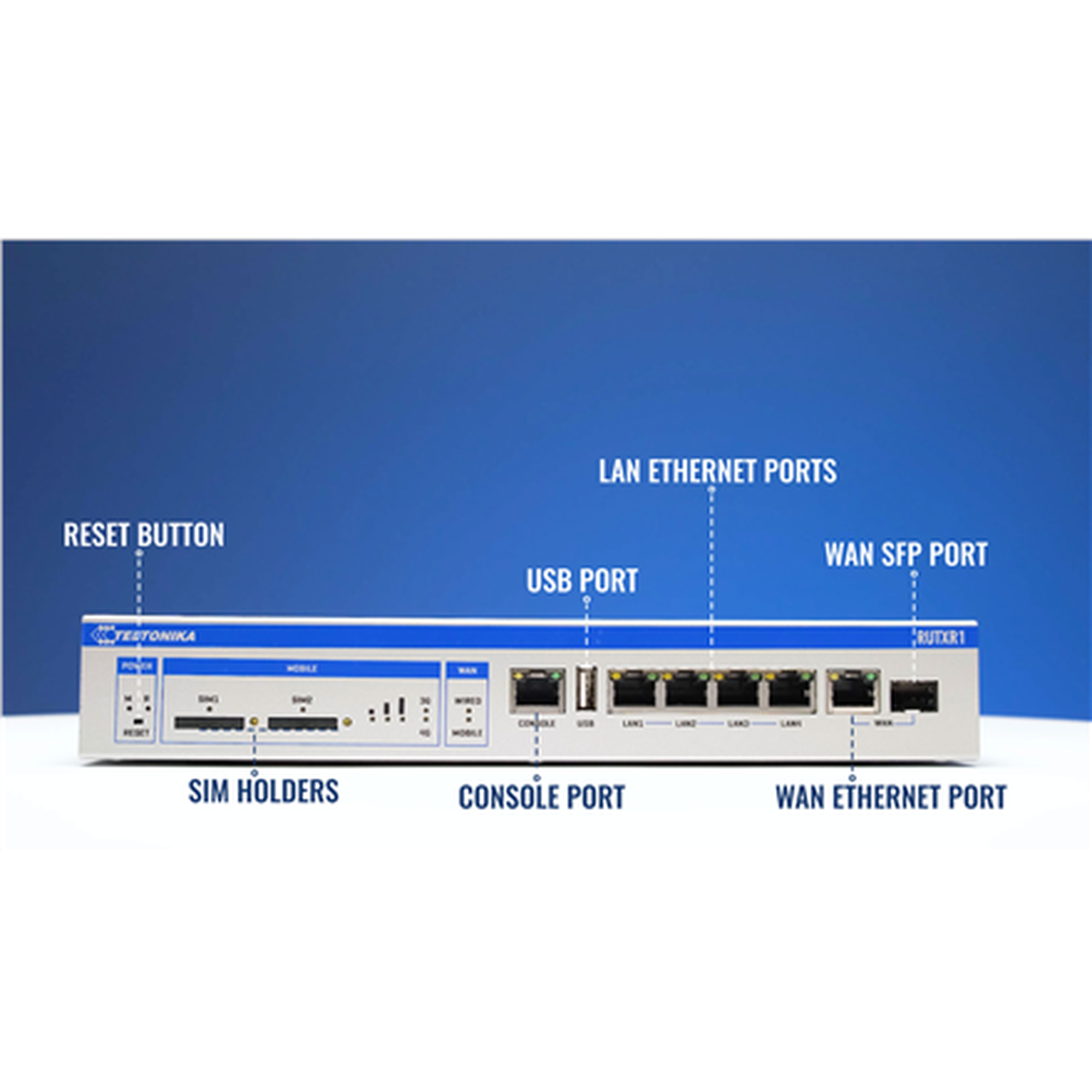
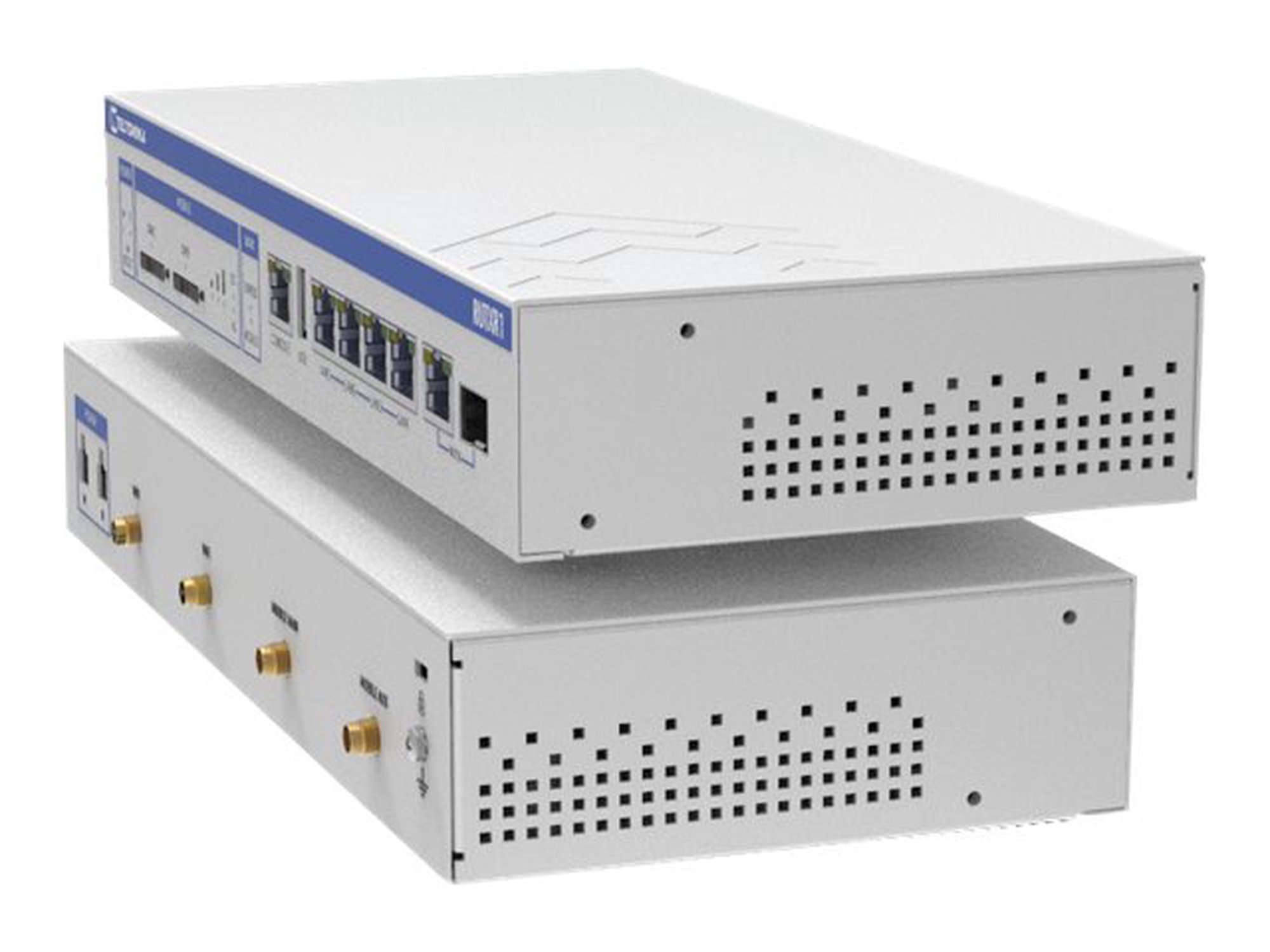
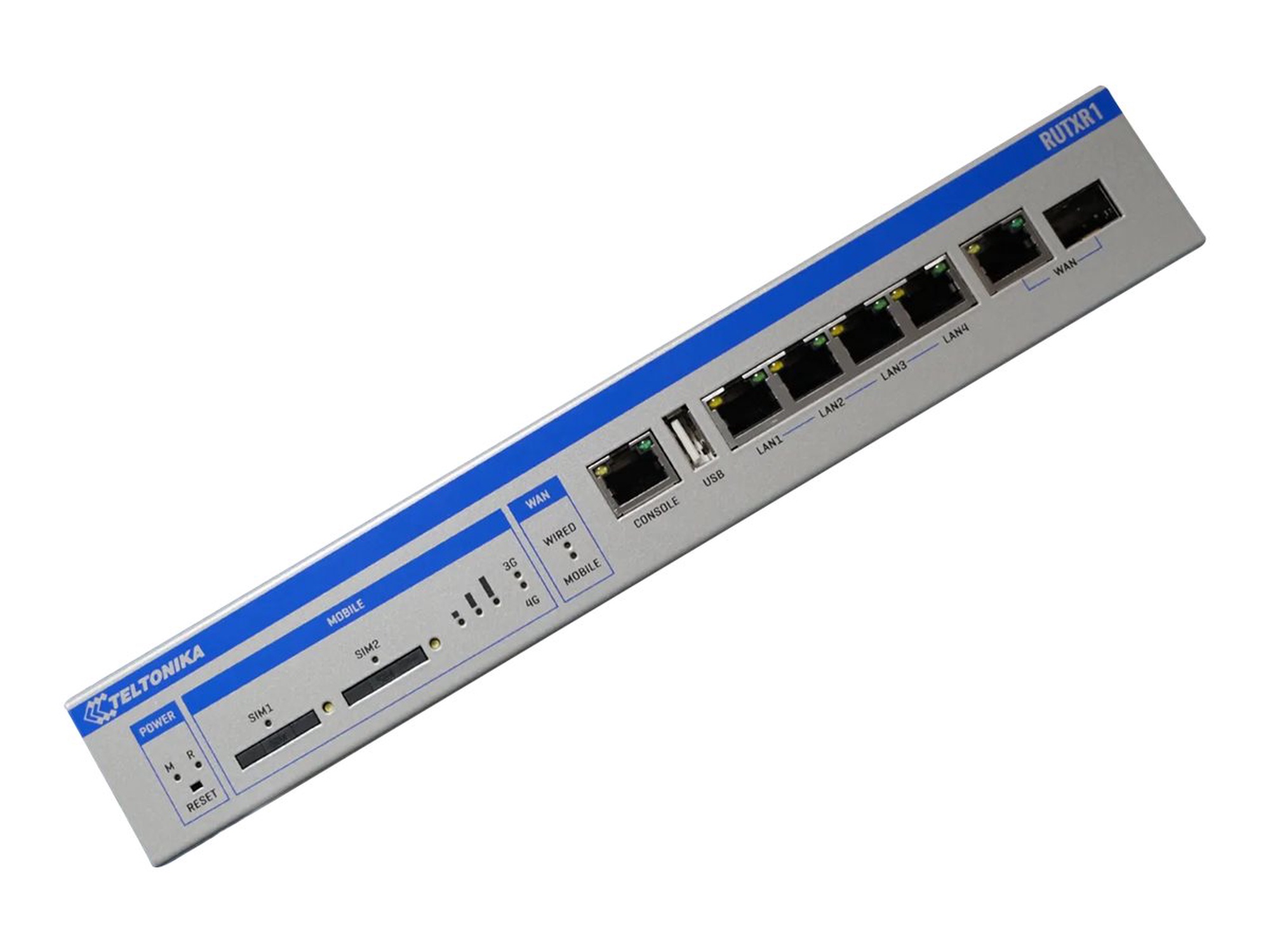
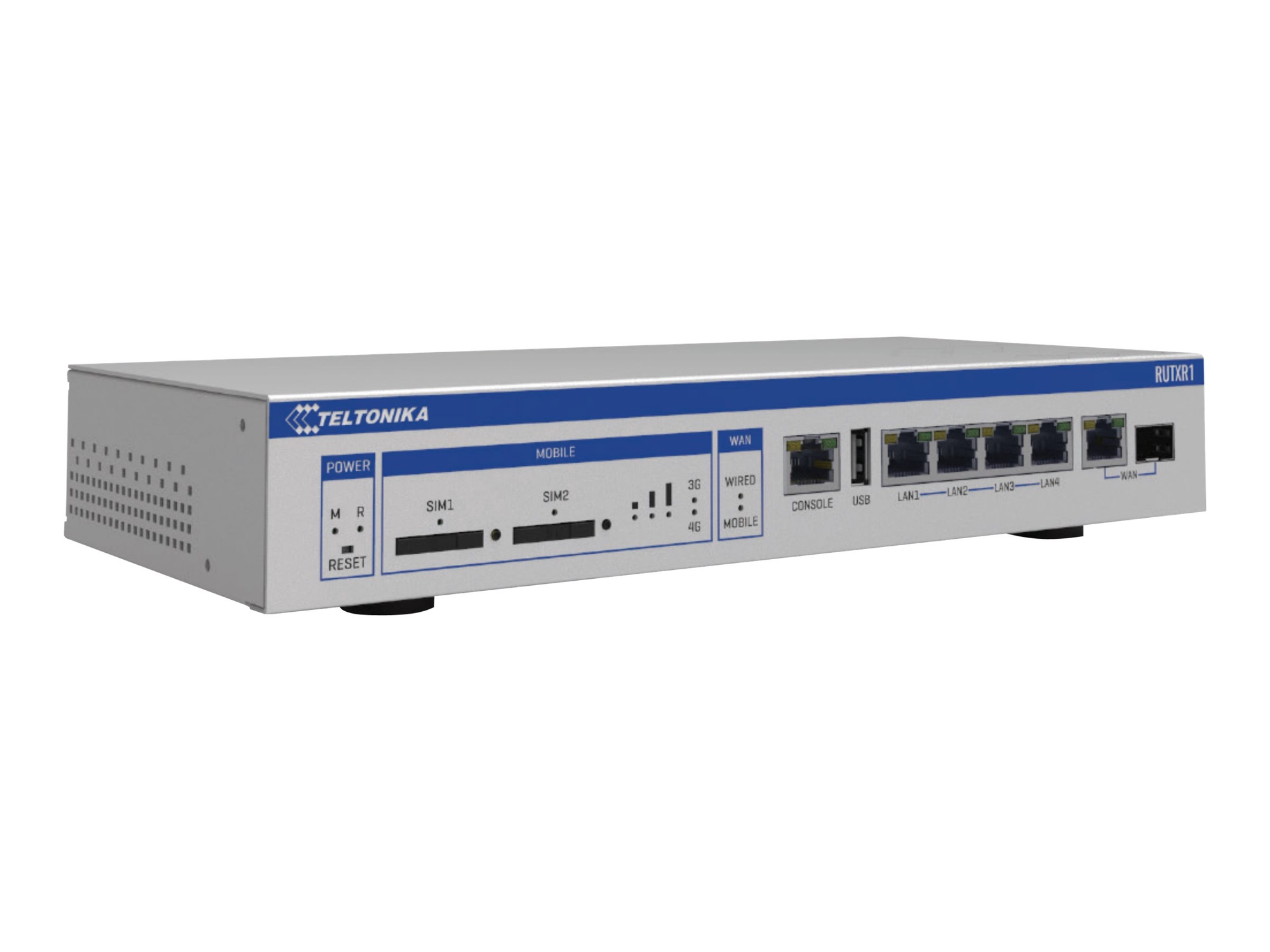
RUTXR1 is a complete LTE Cat6 router adapted to be installed in a 19 "rack. It has up to 3 possibilities of connecting to the Internet - 2 wireless via 2 LTE SIM cards, or wired via one of the ports: Ethernet WAN Gigabit or fiber optic SFP slot. network thanks to the built-in four Gibagit LAN ports and WiFi Dual Band 802.11ac.Dedicated console port RS-232 (RJ45) is designed to manage the router and the USB port allows you to easily share the disk or printer in the network. device for two different power sources, which in the event of a power failure automatically maintains the router's operation. The backup of the Internet connection is also automatic - it is enough to use at least 2 Internet connection options - eg LTE via a SIM card and a cable to the WAN port, and select the main and backup link in the settings. When the signal of the main link is lost, the backup link will be activated, without losing the signal in the network. The router is equipped with an intuitive RutOS operating system that allows you to manage many functions of the device and also has the ability to work in a professional RMS remote monitoring system after purchasing an additional license.
Main functions:
4G LTE Cat 6 with speeds up to 300 Mbps
Dual SIM - emergency switch to active signal
4 Gigabit LAN ports and a Gigabit WAN port
SFP port for long range fiber optic communication
Dual-band wireless network - WIFI Dual Band Wave-2 802.11ac
Compatible with the RMS Teltonika remote management system
Product description:
Mobile signal:
- Mobile module: 4G LTE - Cat 6 up to 300 Mbps, 3G - up to 42 Mbps
- Switching between SIM cards: 2 SIM cards, automatic switching in cases of: weak signal, data limit exceeded, SMS limit exceeded, roaming limit exceeded, no network, network refused, no data connection, no operation of the SIM card
- Status: signal strength, SINR, RSRP, RSRQ, bytes sent / received
- SMS: SMS status, SMS configuration, SMS sending / reading via HTTP POST / GET, EMAIL to SMS, SMS to EMAIL, SMS to HTTP, SMS to SMS, scheduled SMS, SMS with auto reply, SMPP
- USSD: support for sending and reading additional service data messages
- Whitelists and blacklists of e-mail senders: operator list
- PDN (Packet Data Network): ability to use different PDNs for multiple users
- Band management: band lock, band status indicator
- APN function: auto APN
- Bridge mode: direct bridge connection between the mobile internet and a device in the LAN
Wireless transmission:
- Wireless operation mode: 802.11ac (WiFi 5) with data rates up to 867 Mb / s (dual-band, MU-MIMO), 802.11r fast transition, access point (AP), station (STA)
- WiFi security: WPA2-Enterprise-PEAP, WPA2-PSK, WPA-PSK, WEP; AES-CCMP, TKIP, auto encryption modes, client separation
- ESSID: ESSID stealth mode
- Wireless Access Point: Hotspot, Internal / External Radius Server, Built-in Configurable Landing Page
Wired transmission:
- Ethernet WAN: 1x WAN 10/100/1000 Mbps port, compliant with IEEE 802.3, IEEE 802.3u, 802.3az standards, support for auto MDI / MDIX
- Optical fiber: 1x SFP port - cannot work simultaneously with the Ethernet WAN port
- Ethernet LAN: 4 LAN ports, 10/100/1000 Mb / s, compliant with IEEE 802.3, IEEE 802.3u, 802.3az standards, support for auto MDI / MDIX
Console Port:
- RS-232 console port (RJ45) for router configuration and debugging
Network data:
- Types of routing: static routing, dynamic routing (BGP, OSPF v2, RIP v1 / v2, EIGRP, NHRP)
- Network protocols: TCP, UDP, IPv4, IPv6, ICMP, NTP, DNS, HTTP, HTTPS, FTP, SMTP, SSL v3, TLS, ARP, VRRP, PPP, UPNP, SSH, DHCP, Telnet, SNMP, MQTT, Wake on LAN (WOL), DLNA
- VoIP passthrough support: H.323 and SIP-alg NAT protocol support, enables correct routing of VoIP packets
- Connection monitoring: PPing Reboot, Wget reboot, Periodic Reboot, LCP and ICMP for link control
- Firewall functions: forwarding, traffic rules, custom rules
- DHCP: static and dynamic IP address assignment, DHCP Relayd
- QoS: traffic priority queuing by source / destination, service, protocol or port, WMM, 802.11e
- DDNS: supports up to 25 service providers automatically, the ability to manually configure more
- Network Backup: VRRP options, Mobile and Wired WAN options, all of which can be used as backup using automatic failover
- Load Balancing: Balance internet traffic across multiple WAN connections
- SSHFS (optional): the ability to mount a remote file system using the SSH protocol (not available in the standard version of the software)
Security:
- Authorization: pre-shared key, digital certificates, X.509 certificates
- Firewall: preconfigured firewall rules can be enabled via WebUI, unlimited firewall configuration via CLI; DMZ; NAT; NAT-T
- Attack prevention: DDOS prevention (SYN flood protection, SSH attack prevention, HTTP / HTTPS attack prevention), port scan prevention (SYN-FIN, SYN-RST, X-mas, NULL flags, FIN scan attacks)
- VLAN: VLAN separation based on ports and tags
- Mobile control: Set custom data limits for your SIM card
- WEB filter: blacklist to block unwanted websites, whitelist for allowed websites only
- Access control: flexible access control for TCP, UDP, ICMP packets, MAC address filter
VPN data :
- OpenVPN: multiple clients and server running simultaneously, 12 encryption methods
- OpenVPN encryption: DES-CBC, RC2-CBC, DES-EDE-CBC, DES-EDE3-CBC, DESX-CBC, BF-CBC, RC2-40-CBC, CAST5-CBC, RC2-64-CBC, AES- 128-CBC, AES-192-CBC, AES-256-CBC
- IPsec: IKEv1, IKEv2, with 5 encryption methods for IPsec (DES, 3DES, AES128, AES192, AES256)
- GRE: GRE tunnel
- PPTP, L2TP: client / server services can run simultaneously
- Stunnel: proxy server designed to add TLS encryption functionality to existing clients and servers without any program code changes
- DMVPN: A method to build scalable IPsec VPNs
- SSTP: support for SSTP client instances
- ZeroTier: ZeroTier VPN
Modbus communication protocol data:
- Modbus TCP Slave:
> ID range: 1-255
> remote access: allows access via WAN
> custom registers: Modbus TCP custom register block requests that read / write a file inside the router and can be used to extend the Modbus TCP Slave functionality
- Modbus TCP Master
> function support: 01, 02, 03, 04, 05, 06, 15, 16
> data format support: 8 bits: INT, UINT; 16 bits: INT, UINT (MSB or LSB first); 32 bit float (Big endian, Big endian with byte swap, Little endian, Little endian with byte swap)
- Modbus RTU Master (RS232)
> Supported baud rates: 300 to 115200
> supported functions: 01, 02, 03, 04, 05 (only for alarms), 06 (only for alarms), 15 (only for alarms), 16 (only for alarms)
> number of data bits: 5 to 8
> number of stop bits: 1 or 2
> parity: None, Even, Odd
> flow: None, RTS / CTS, Xon / Xoff
MQTT Gate:
- Allows you to send commands and receive data from Modbus Master through the MQTT broker
Data transfer to the server:
- By protocols: HTTP (S), MQTT, Azure MQTT, Kinesis
Monitoring and management:
- Network interface: HTTP / HTTPS, status, configuration, FW update, CLI, troubleshooting, event log, system log, kernel log
- FOTA: firmware update from server, automatic notification
- SSH: SSH (v1, v2)
- SMS: SMS status, SMS configuration, SMS sending / reading via HTTP POST / GET
- Connection: restart, status, WiFi on / off, mobile data on / off, output on / off
- TR-069: OpenACS, EasyCwmp, ACSLite, tGem, LibreACS, GenieACS, FreeACS, LibCWMP, Friendly tech, AVSystem
- MQTT: MQTT broker, MQTT publisher
- SNMP: SNMP (v1, v2, v3), SNMP trap
- JSON-RPC: API management over HTTP / HTTPS
- MODBUS: MODBUS TCP status / control
- RMS: Teltonika Remote Management System (RMS)
IoT platforms:
- Cloud of Things: allows you to monitor device data, mobile data, network information, availability
- ThingWorx: allows you to monitor WAN type, WAN IP mobile operator name, mobile signal strength, mobile network type
- IoT (Cumulocity) connectivity: allows you to monitor device model, version number and serial number, mobile equipment ID, ICCID, IMEI, connection type, operator, signal strength, WAN type and IP address
- Azure IoT Hub: can send device IP address, bytes sent / received, 3G connection status, network link status, IMEI, ICCID, model, manufacturer, serial number, version, IMSI, SIM card status, PIN status, GSM signal, WCDMA RSCP WCDMA EC / IO, LTE RSRP, LTE SINR, LTE RSRQ, CELL ID, operator, operator number, connection type, temperature, PIN number for Azure IoT Hub server
Component parameters:
- CPU: ARM Cortex A7, 717 MHz
- RAM: 256 MB, DDR3
- Flash memory: 256 MB SPI Flash
Software and configuration:
- Web interface: firmware update from file, server update check, configuration profiles, backup, restore point
- FOTA: firmware update / configuration from the server
- RMS: software update / configuration for multiple devices
- Preservation of settings: software update without losing the current configuration
Software customization:
- Operating system: RutOS (OpenLinux based Linux operating system)
- Supported languages: Busybox shell, Lua, C, C ++
- Development tools: SDK package with build environment provided
Serial connection:
- RS232: RJ45 connector, full RS232 connection (with RTS, CTS)
- Serial connection types: console, MODBUS gateway, MODBUS RTU master, Serial OverIP, modem mode, Ntrip client
USB port:
- Type of data port: USB 2.0
- Application support: Samba - access, custom scripts
- Support for external devices: the ability to connect an external hard drive, flash drive, additional modem, printer
- File storage formats: FAT, FAT32, NTFS
Power supply:
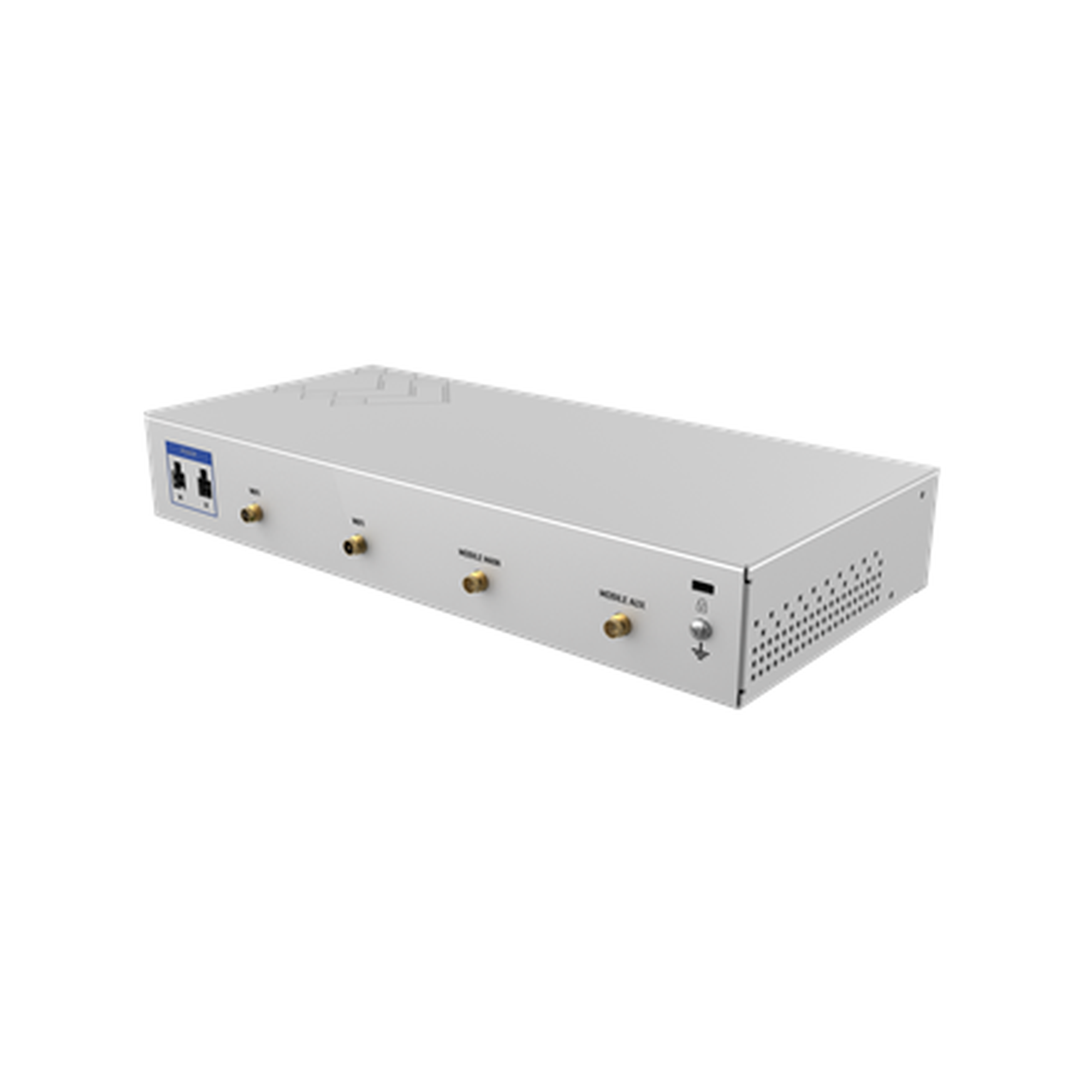
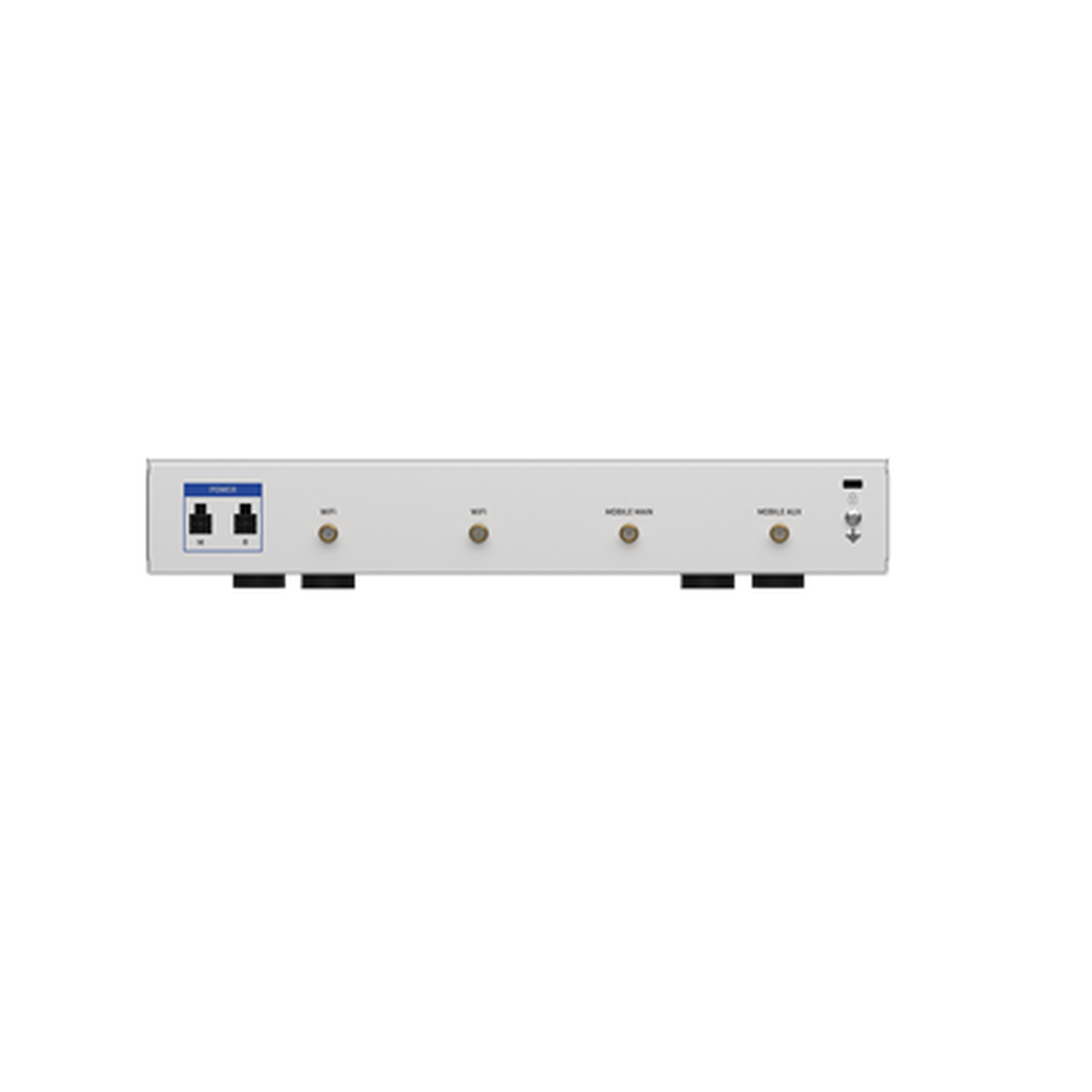
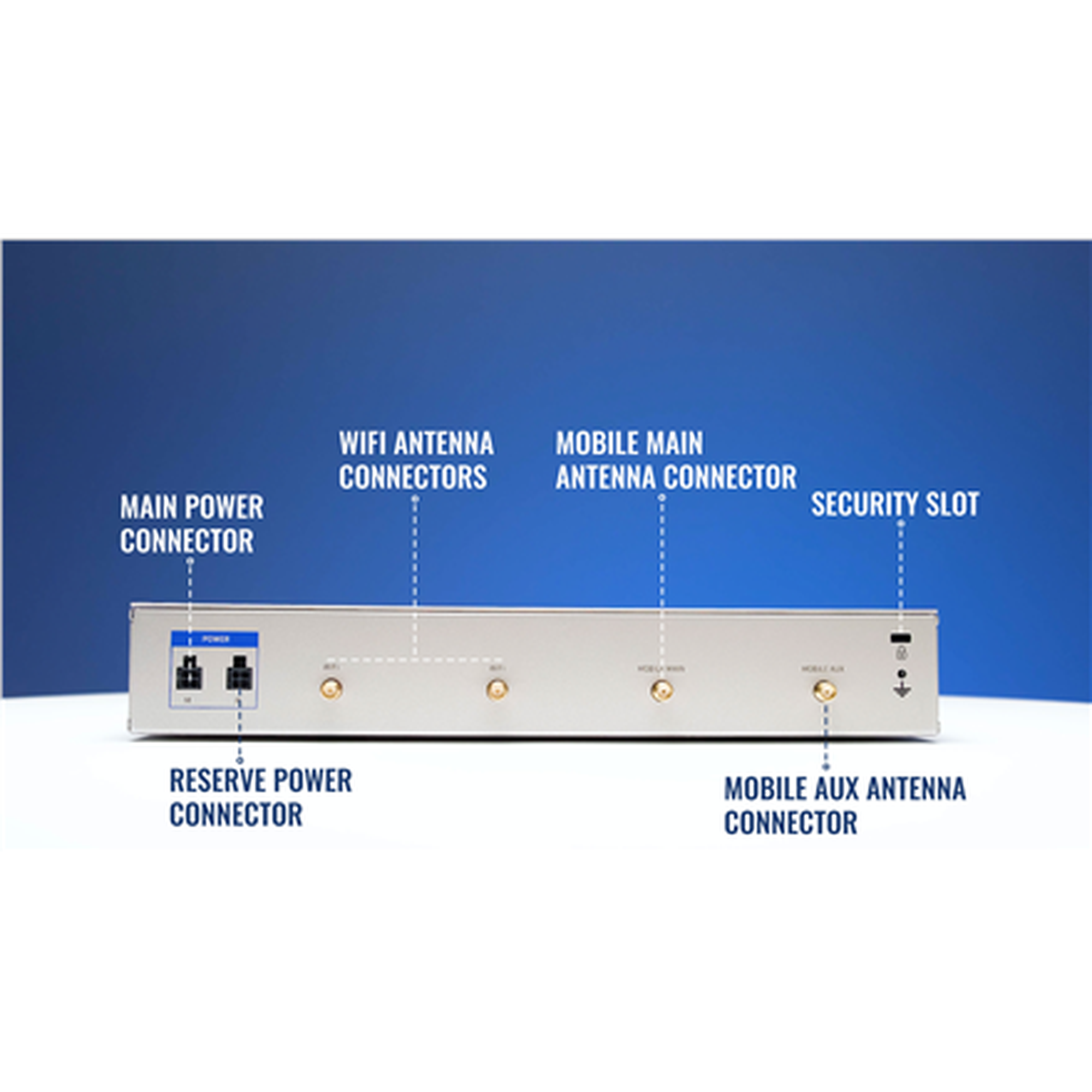
- Connector: 2x 4-pin industrial DC socket - for main and emergency power supply
- Input voltage range: 9-50V DC, reverse polarity protection, over voltage protection
- Power consumption: 18W (max),
Physical interfaces (ports, LEDs, antennas, buttons, SIM card slots)
- Ethernet: 5x RJ45 10/100/1000 Mbps port
- Console port: 1x RJ45 RS232
- Fiber port: 1x SFP
- LEDs: 2x WAN, 2x mobile connection, 3x mobile signal strength, 2x SIM card activity, 10x Ethernet status, 2x console port status, 2x power
- SIM card slots: 2x SIM slot (Mini SIM - 2FF), 1.8V / 3V, access from outside the device
- Power supply: 2x 4-pin DC connector
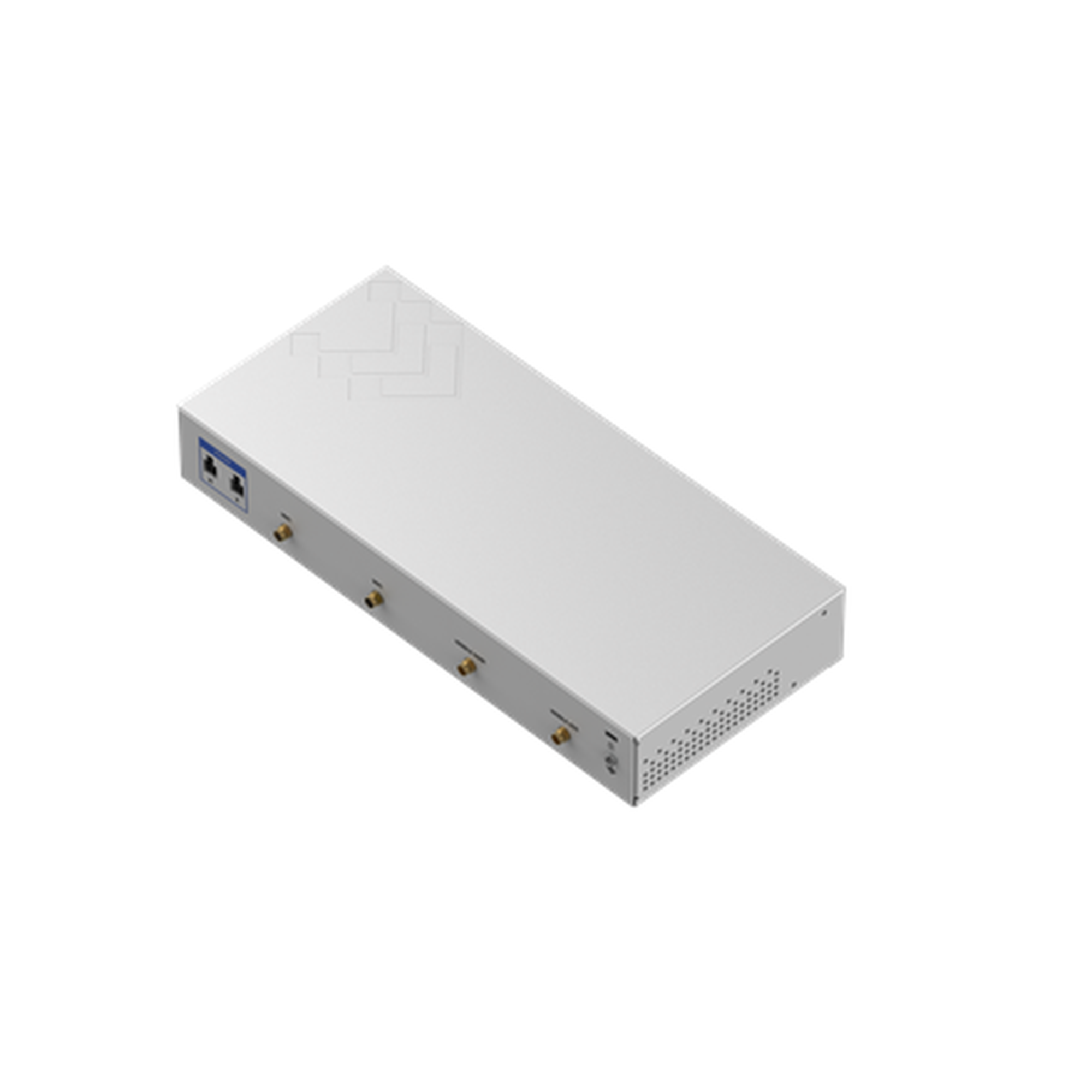
- Antenna: 2x SMA for LTE, 2x RP-SMA for WiFi networks
- USB A port for external devices
Physical parameters:
Device dimensions (without mounted antennas): 272 x 42.6 x 122.6 mm (width / height / depth)
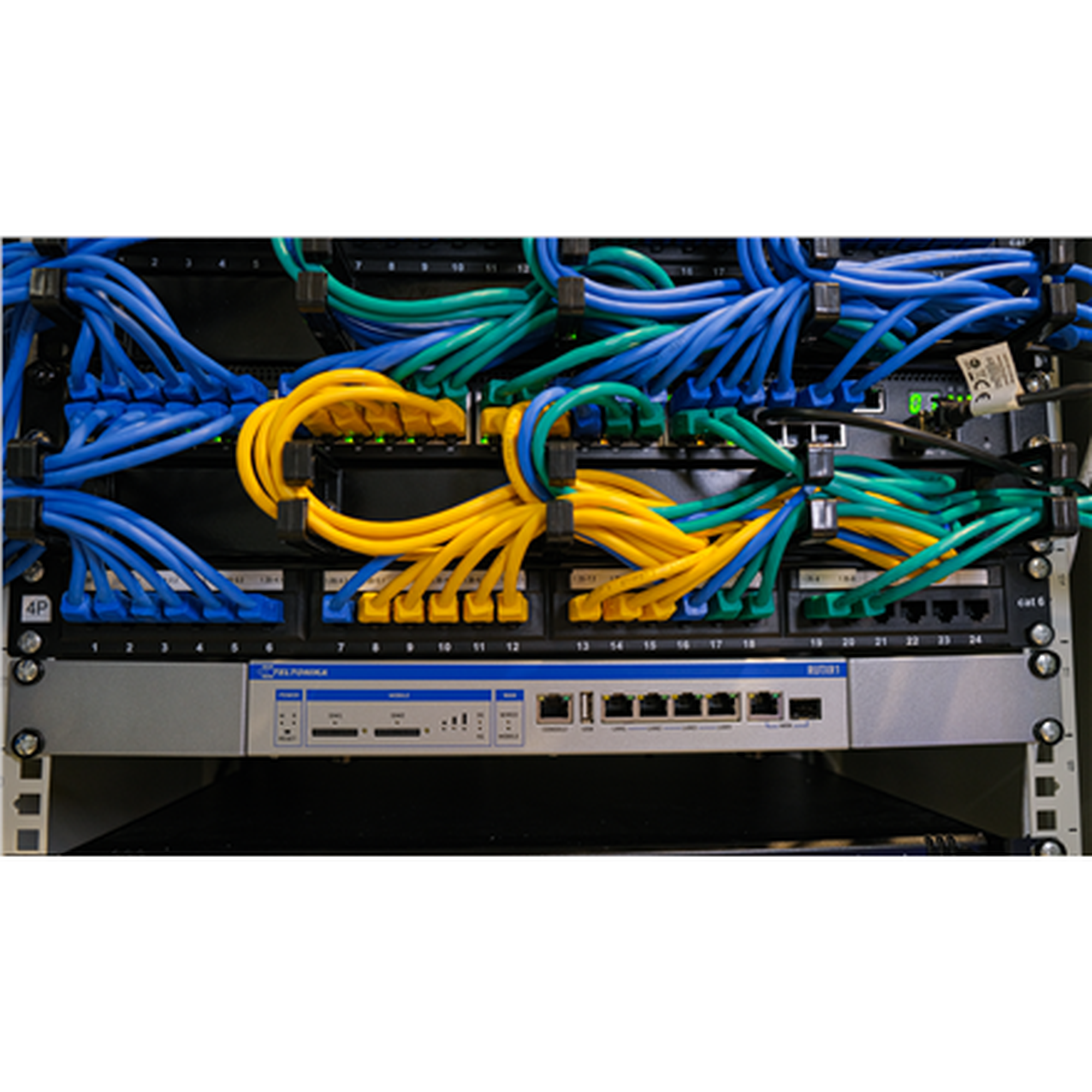
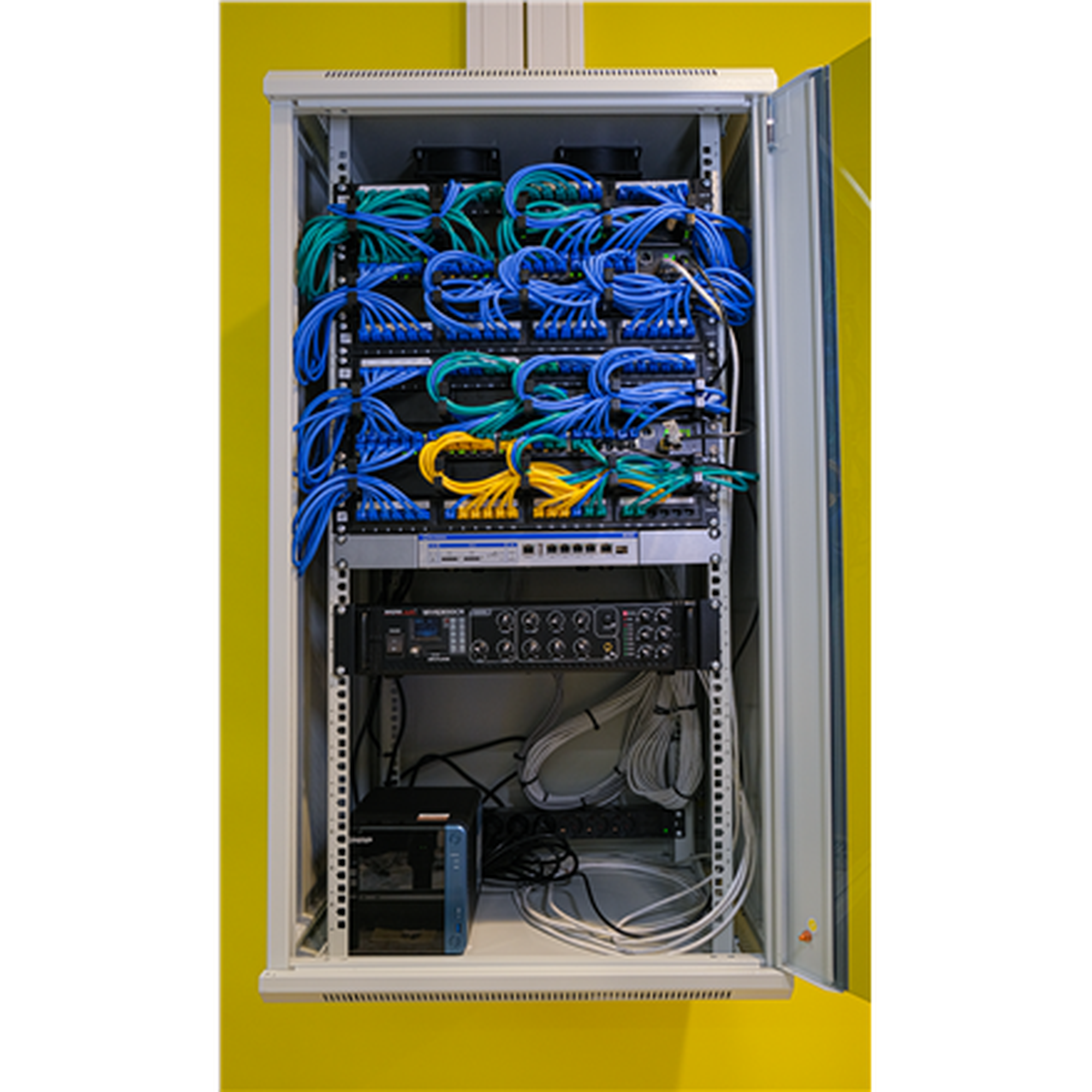
19 "rack mounting height: 1U
Device weight: 1050g
Package dimensions: 355 x 60 x 175 mm (width / height / depth)
Contents of the package:
RUTXR1 router
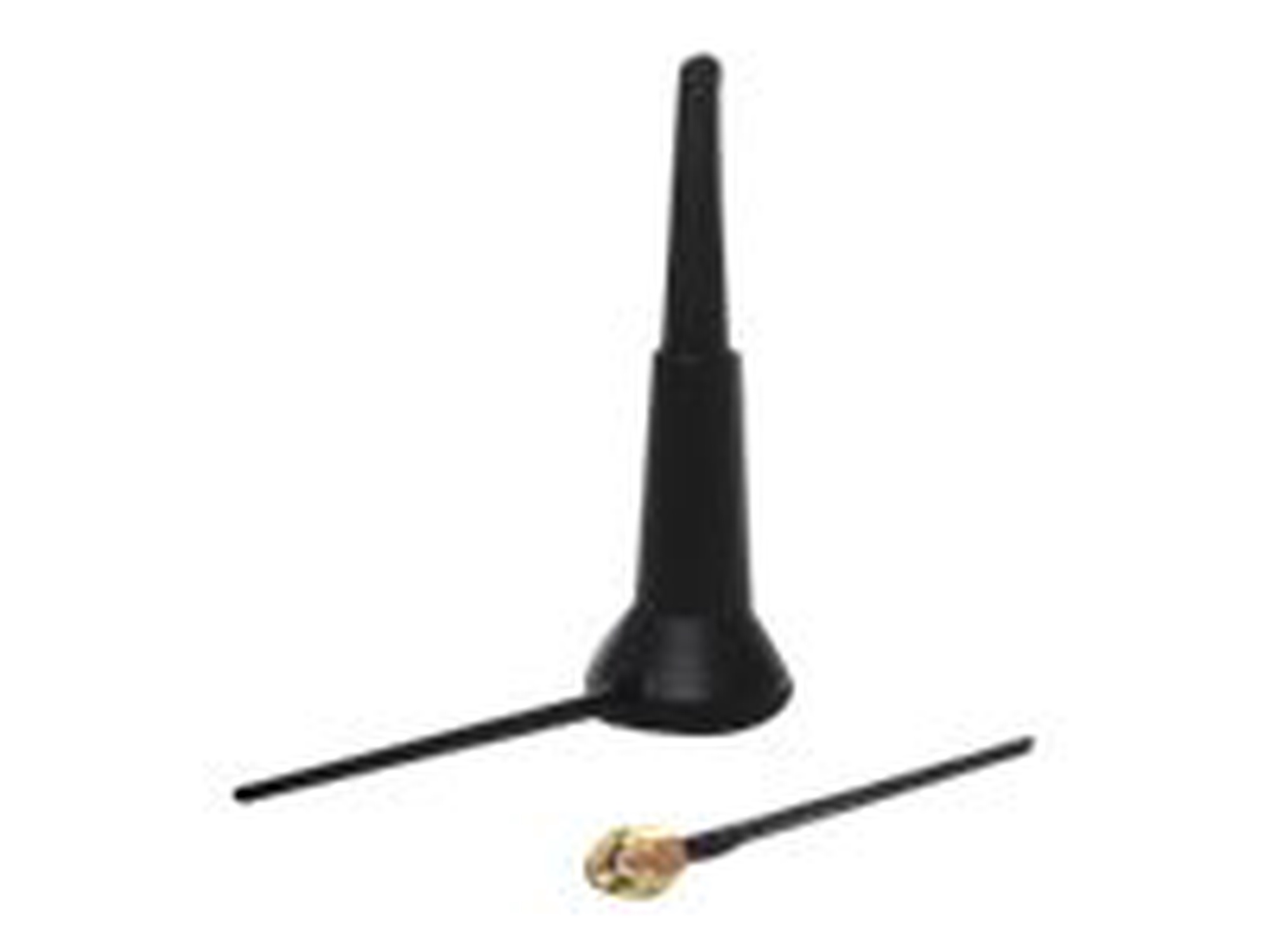
2x LTE antenna (male SMA connector, 3 m cable, magnet mounted)
2x WiFi antenna (RP-SMA male connector, 1.5 m cable, magnet mounted)
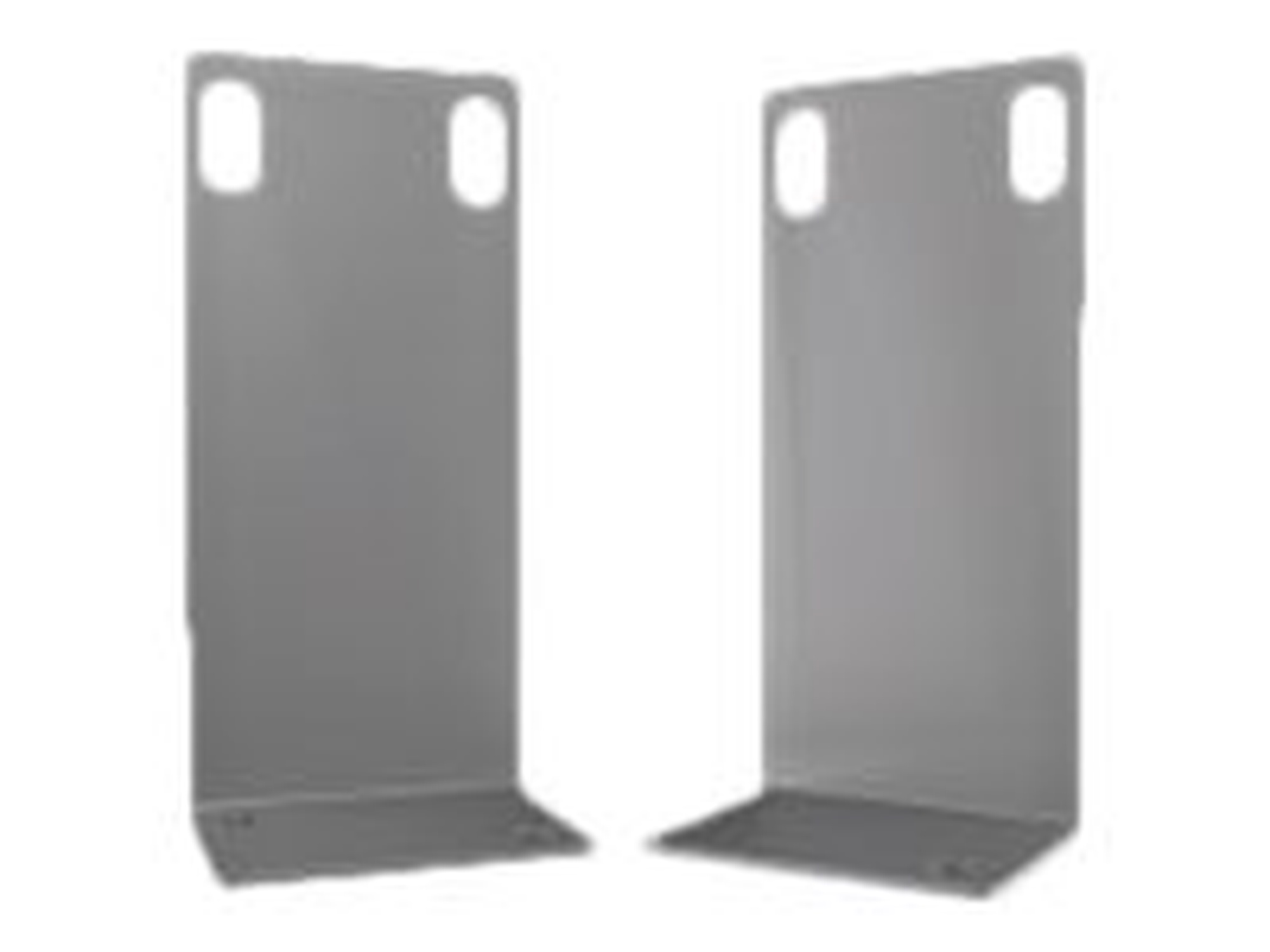
Mounting brackets Rack 19 "
8 x mounting screws
4x feet
Needle to pull out the SIM card tray
18 W Euro power supply
Ethernet cable (1.5 m)
QSG (Quick Start Guide)
RMS flyer